Civil Engineering for a Sustainable Future
Explore how sustainable civil engineering uses self-healing concrete, low-carbon cement, digital twins, and green infrastructure to build climate-resilient cities and net-zero communities.
BLOGS BY ENGR AHMAD SHAHZAD
ENGR AHMAD SHAHZAD
1/31/20262 min read
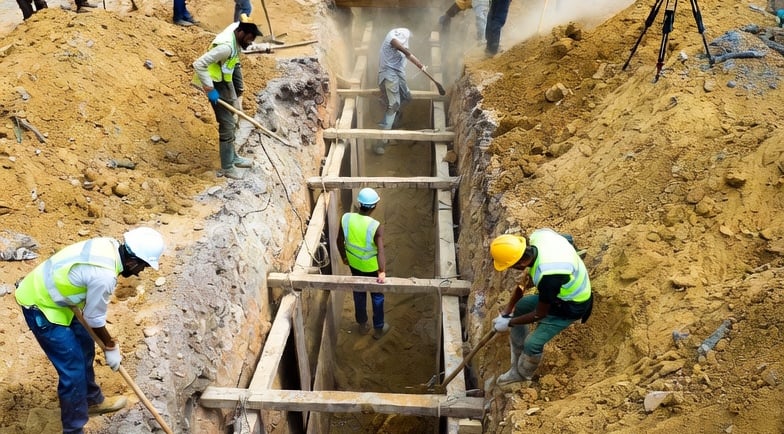

Why Sustainable Civil Engineering Matters
Civil engineering shapes the backbone of modern society by designing roads, bridges, buildings, and urban infrastructure. Today, the focus is shifting to sustainable construction as cities face climate change challenges. According to the World Green Building Council, construction accounts for nearly 40% of global carbon emissions, making eco-friendly infrastructure more critical than ever.
With urbanization set to increase, civil engineers must adopt resilient design strategies and green building materials to reduce environmental impact and ensure long-lasting infrastructure.
Key Innovations in Sustainable Civil Engineering
Advanced Materials for Eco-Friendly Construction:
Self-healing concrete: Repairs cracks automatically, extending the lifespan of bridges, roads, and buildings.
Low-carbon cement & recycled aggregates: Reduce greenhouse gas emissions while supporting green building initiatives.
Sustainable building materials: Promote resource efficiency and reduce environmental footprint.
Resilient Structural Design for Climate Adaptation:
Earthquake-resistant foundations & flood-adaptive structures: Protect communities from natural disasters.
Advanced soil modeling: Improves safety in tunneling and excavation projects, supporting resilient infrastructure development.
Digital Tools Transforming Civil Engineering:
Digital twins of buildings and bridges: Enable predictive maintenance and optimized lifecycle management.
AI-driven risk analysis: Improves safety and efficiency in complex construction projects.
Green Infrastructure for Sustainable Cities:
Integration of renewable energy systems in buildings: Reduces reliance on fossil fuels.
Water-efficient construction techniques: Conserve resources while supporting eco-friendly urban planning.
The Role of Sustainable Infrastructure
Civil engineering innovations align with the United Nations Sustainable Development Goals (SDGs). Research emphasizes three pillars of sustainability:
Economic sustainability: Efficient use of resources and cost-effective construction.
Environmental sustainability: Lower emissions, reduced waste, and ecosystem protection.
Social sustainability: Creating safe, inclusive, and resilient communities.
Benefits of Sustainable Civil Engineering
These innovations are more than technical improvements; they impact daily life:
Long-lasting roads: Require fewer repairs and reduce maintenance costs.
Energy- and water-efficient buildings: Lower utility bills and reduce environmental impact.
Climate-resilient cities: Can withstand floods, earthquakes, and extreme weather.
Modern civil engineers are becoming the guardians of sustainable infrastructure, ensuring our built environment supports both people and the planet.
Challenges and Opportunities in Sustainable Construction
Despite progress, obstacles remain:
High initial costs for advanced construction materials.
Limited awareness among policymakers, contractors, and stakeholders.
Need for global collaboration in sustainable infrastructure research and implementation.
Yet opportunities abound. Leveraging digitalization, resilient design, and green building materials, civil engineers can lead the transition to net-zero, climate-smart communities.
Building a Sustainable Future
Civil engineering is no longer just about construction; it’s about creating resilient, eco-friendly, and future-ready infrastructure. Innovations in materials, digital tools, and sustainable design are essential to meeting climate goals and societal needs.
The cities of tomorrow depend on the choices we make today. Civil engineering is shaping a greener, safer, and more resilient world, one project at a time.